
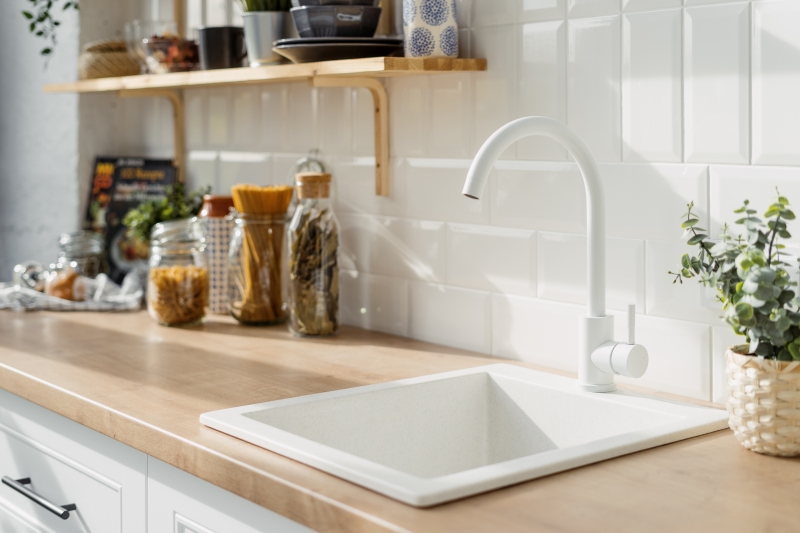
How to Choose the Right Faucet Material: A Complete Guide for Buyers
When sourcing faucets for your business, material selection is not just a technical detail—it directly impacts durability, pricing, market positioning, and customer satisfaction. For wholesalers and distributors in the sanitary ware industry, understanding the pros and cons of different faucet materials is essential to making the right purchasing decisions.
In this guide, we break down the most common faucet materials and help you choose the best option for your target market.
1. Brass Faucets: The Premium Standard

Brass is widely regarded as the best material for faucet manufacturing, especially in mid-to-high-end markets.
Advantages:
Excellent corrosion resistance
Long lifespan (often 10+ years)
Strong and durable under high water pressure
Low lead brass options available for compliance
Disadvantages:
Higher cost compared to other materials
Heavier, increasing shipping costs
Best for:
Premium residential projects, hotels, and markets with strict quality standards (e.g., North America, Europe)
2. Stainless Steel Faucets: Modern and Eco-Friendly

Stainless steel has gained popularity due to its clean look and environmental benefits.
Advantages:
Lead-free and food-grade safe
Strong resistance to rust and corrosion
Modern aesthetic (brushed or matte finishes)
Durable and recyclable
Disadvantages:
Higher cost than zinc alloy
Less flexible for complex designs
Best for:
Modern kitchens and bathrooms, eco-conscious markets
3. Zinc Alloy Faucets: Cost-Effective Choice
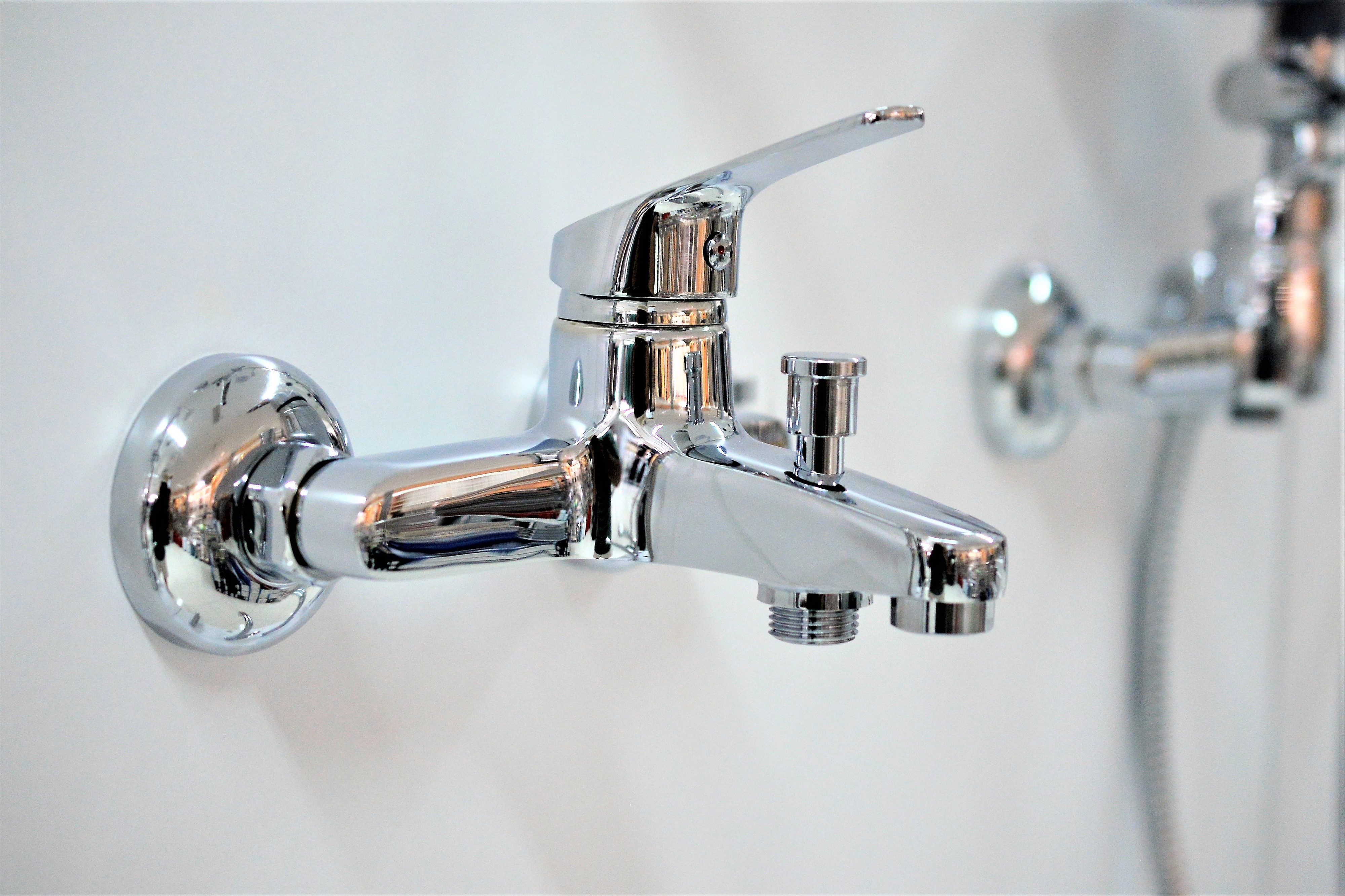
Zinc alloy is widely used in entry-level and price-sensitive segments.
Advantages:
Competitive pricing
Easy to produce in various designs
Lightweight for lower shipping cost
Disadvantages:
Lower durability than brass or stainless steel
More prone to corrosion over time
Shorter service life
Best for:
Budget projects, developing markets, promotional products
4. Plastic Faucets (ABS & PP): Volume-Driven Solutions
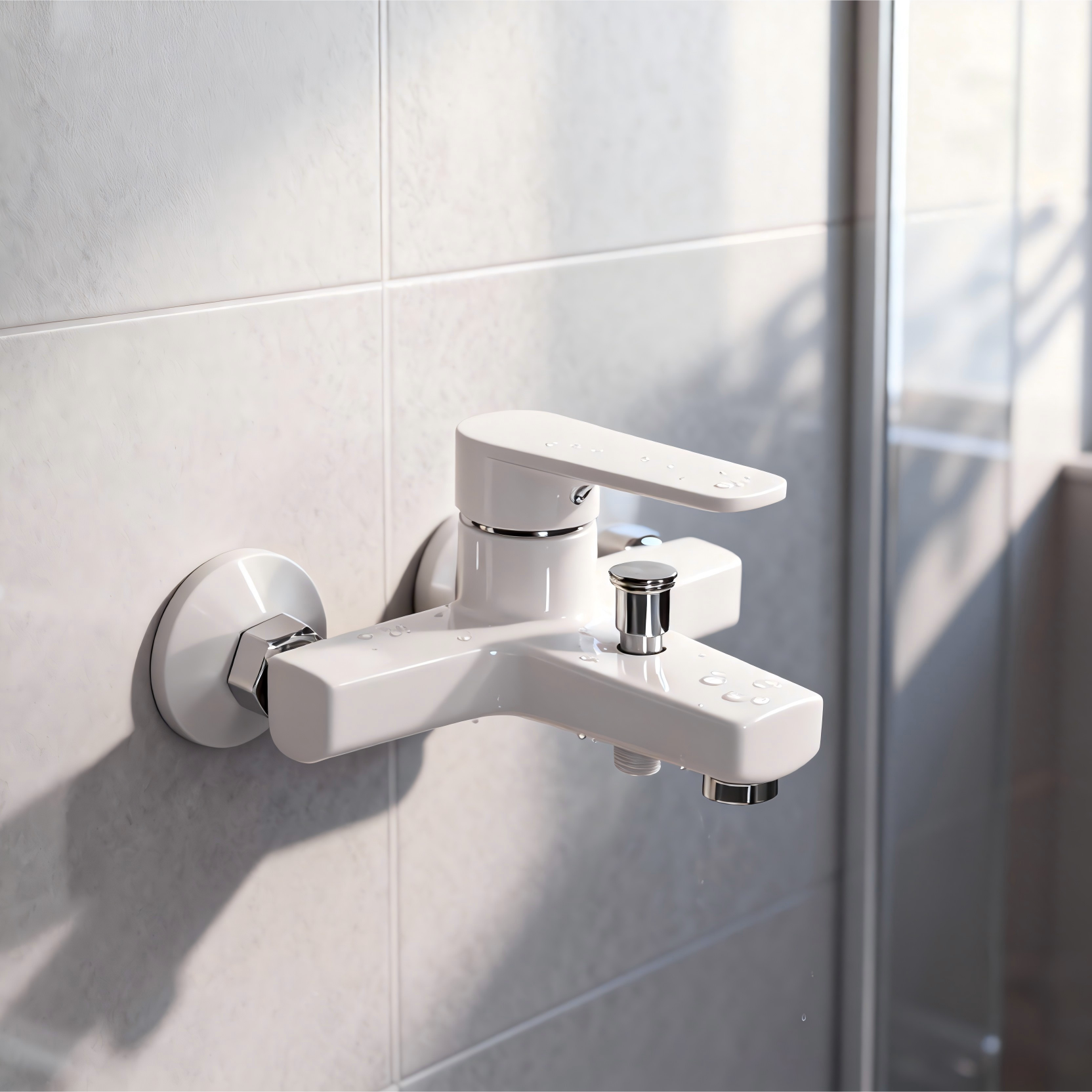
Plastic faucets are mainly made from ABS and PP (Polypropylene), designed for cost efficiency and large-volume demand.
Advantages:
Very low cost, ideal for price-sensitive markets
Lightweight and easy to install
Good resistance to corrosion and chemicals
Disadvantages:
Lower strength and durability compared to metal
Less premium appearance
Not ideal for long-term or high-pressure applications
Best for:
Rental properties, temporary housing, and projects with tight budgets.
How to Choose the Right Material for Your Market
When selecting faucet materials, consider the following:
1. Market Positioning
High-end → Brass or stainless steel
Mid-range → Stainless steel / mixed materials
Budget & volume → Zinc alloy or ABS/PP
2. Local Regulations
Ensure compliance with lead-free or safety standards in your target market.
3. Application Scenario
High-usage areas (kitchens, hotels) require more durable materials, while low-demand environments can accept cost-driven options.
4. Cost vs. Turnover Strategy
For some buyers, fast-selling, lower-cost products bring better cash flow than high-end, slow-moving items.
Final Thoughts
Choosing the right faucet material is ultimately a balance between cost, durability, and market demand.
Brass and stainless steel dominate the quality-driven segment, while zinc alloy and ABS/PP play a key role in price-sensitive and volume-oriented markets. A well-structured product mix often delivers the best results for wholesalers.
Understanding your customers’ priorities will always lead to smarter sourcing decisions—and stronger long-term business growth.
 Send Email
 WhatsApp@Zoey
 15990154413
 Yuee@Zoey